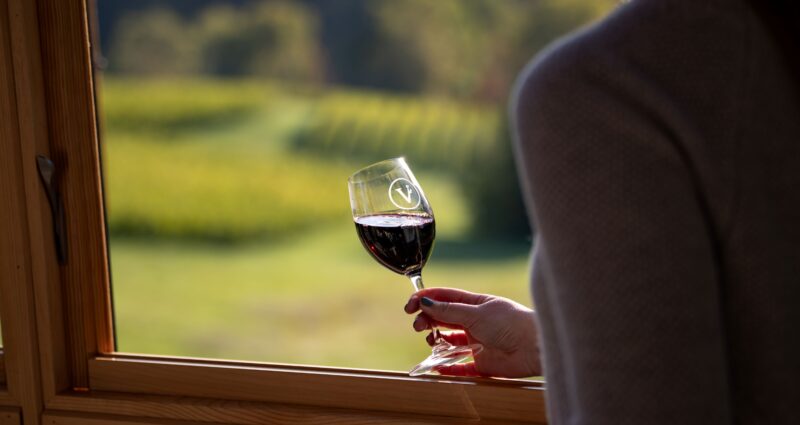
In Virginia’s wine country, history and innovation blend to create wines that reflect the true character of the land. From the early stages of grape growing to the careful craftsmanship in the cellar, Virginia’s wine industry is as diverse as it is rich.
Simplifying wine is the key to understanding the complexities of Virginia wine. By exploring the fundamentals – the different types of grapes, the vineyard’s role, and the winemaking process—it becomes easier to appreciate the unique characteristics of each bottle. With every sip, the journey from vine to glass unfolds, offering a deeper connection to the region’s vibrant wine culture.
Characteristics: What Shapes the Way It Tastes
Every wine has a structure—the mix of qualities that shape how it tastes and feels. Once you know the basics, it’s easier to describe what you enjoy and explore new styles with confidence.
Taste on Your Tongue
- Sweetness: Wines range from very dry to dessert-level sweet. Fruity flavors don’t always mean sugar, though. A Petit Manseng from Virginia might smell like pineapple or mango, but often finishes dry despite its fruity character. Many Virginia wines show generous fruit while still finishing dry, making them especially food-friendly.
- Acidity: That crisp, refreshing brightness, like biting into a green apple, brings wines to life. Virginia’s climate often preserves this freshness, which is why local wines pair so well with seafood, oysters, and garden produce.
Texture and Balance
- Tannins: Mostly found in reds, tannins create the drying, gripping sensation in your mouth, similar to strong black tea. Virginia’s reds, like Cabernet Franc, tend to have tannins that are firm yet approachable, making them versatile partners for hearty dishes.
- Alcohol: Alcohol shapes a wine’s texture, adding lightness at lower levels and warmth at higher ones. Virginia wines often strike a balanced middle ground.
- Body: Body is the wine’s overall weight on your palate. Think of body like milk: a light-bodied wine is like skim milk, medium-bodied is closer to 2%, and a full-bodied wine has the richness of whole milk or even cream. Across Virginia’s regions, you’ll find wines that span the entire spectrum. You might experience the lighter side in a crisp Sauvignon Blanc, while a Petit Verdot showcases the full-bodied depth and power the region can produce.
Aromas and Flavors
- Aromas: Before you take a sip, swirl your glass and notice what you smell. From fruit and flowers to herbs, spices, or oak-driven notes, aromas create the wine’s first impression. Virginia wines are often especially expressive, reflecting the landscapes where they’re grown.
- Flavors: Flavors are what you discover once you taste. They can mirror the aromas, but texture, acidity, tannin, and alcohol all influence how those flavors unfold on your palate. Paying attention here helps you understand the wine’s overall balance.
Together, these elements give each wine its character. With a little practice, you’ll start to notice them naturally, making every sip more enjoyable. This Virginia Wine Month, from Harvest Party to events across the state, take a moment to tune in—it’s a simple way to connect more deeply with the wines and where they’re grown.
Read more Wine Simplified blogs.
More Virginia Wine Stories

September 4, 2025
Wine Month Is Coming, Join the Celebration
September in Virginia Wine country blends summer warmth with the first signs of fall. Cool mornings and changing leaves hint at the season ahead, while vineyards are busy with harvest […]
Read More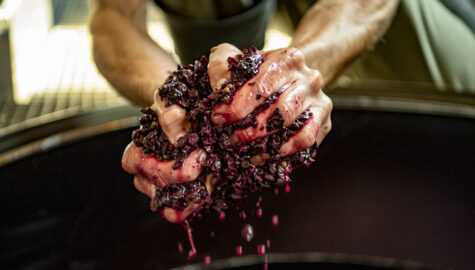
June 27, 2025
Wine Simplified: How It’s Made
In Virginia’s wine country, history and innovation blend to create wines that reflect the true character of the land. From the early stages of grape growing to the careful craftsmanship […]
Read More
August 28, 2025
Wine Simplified: Tasting
In Virginia’s wine country, history and innovation blend to create wines that reflect the true character of the land. From the early stages of grape growing to the careful craftsmanship […]
Read More